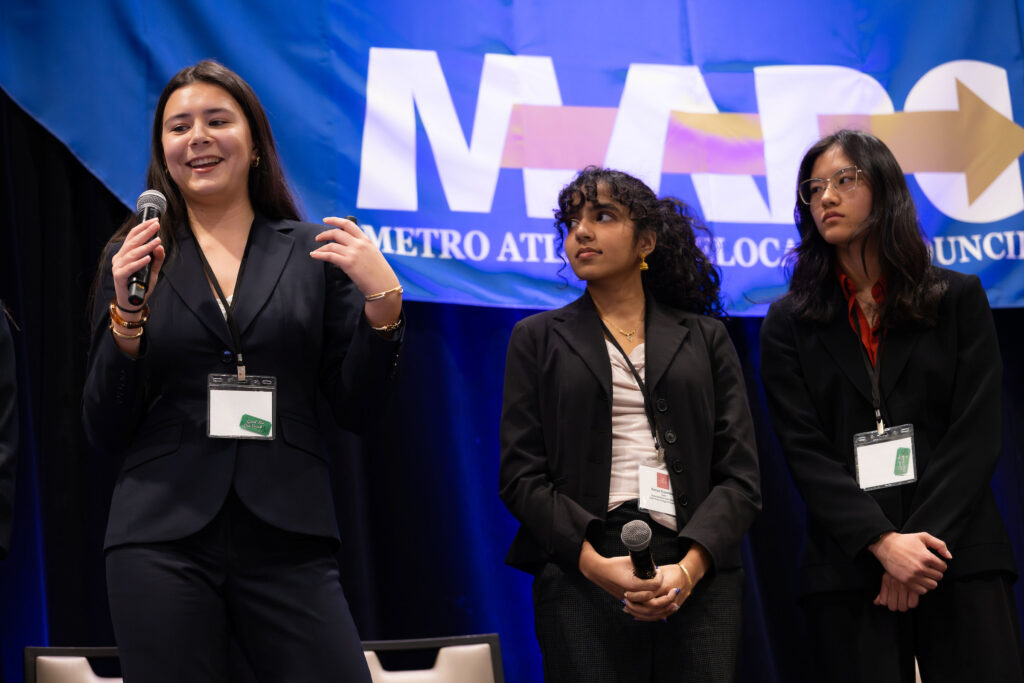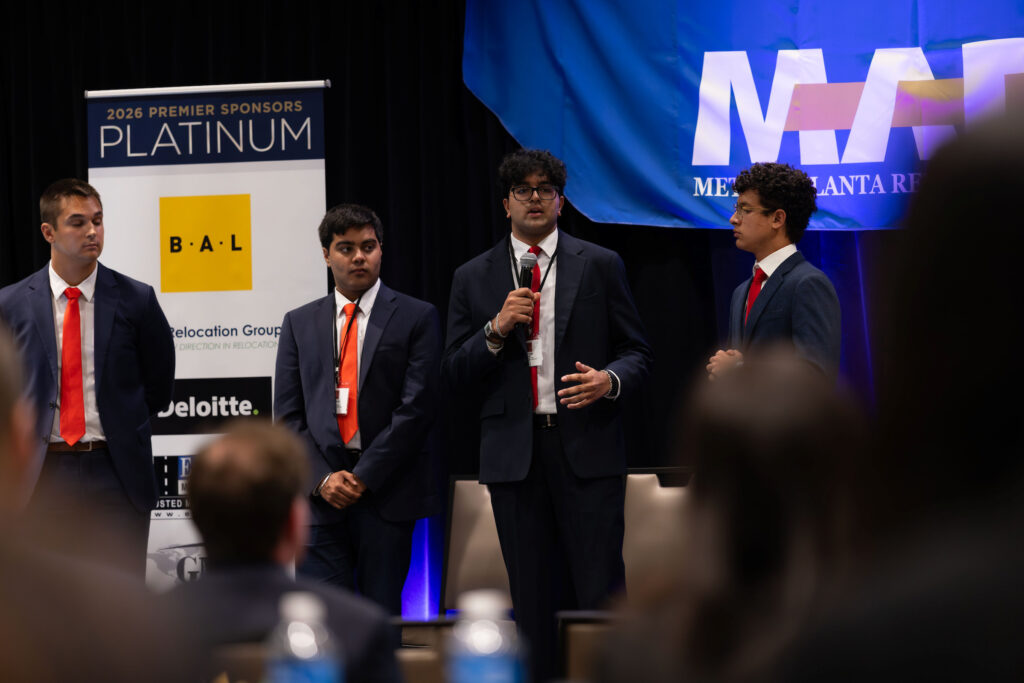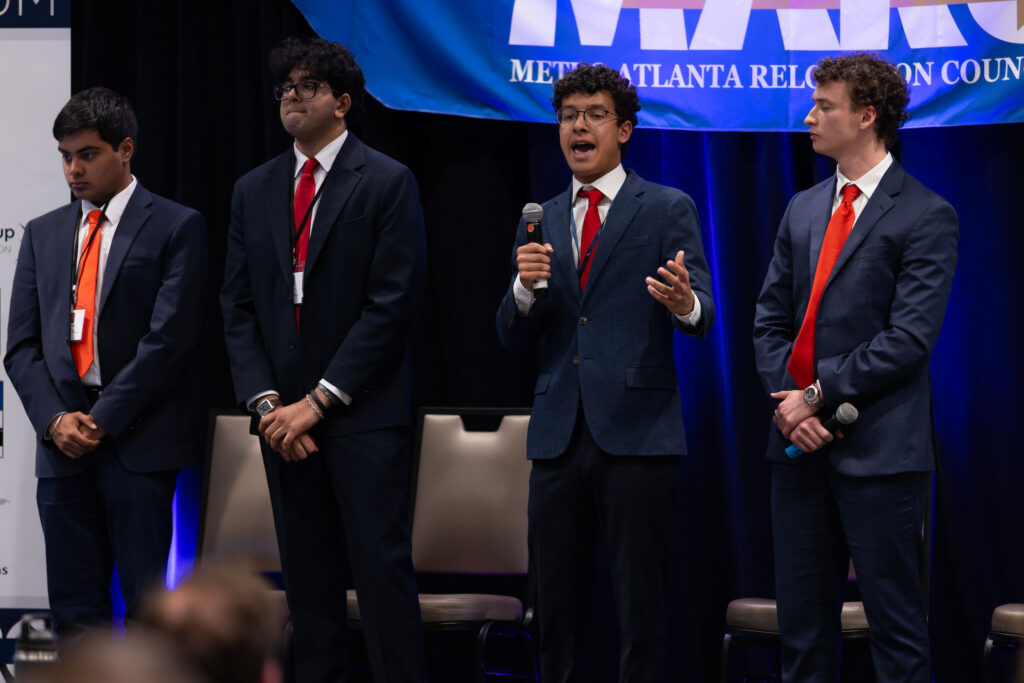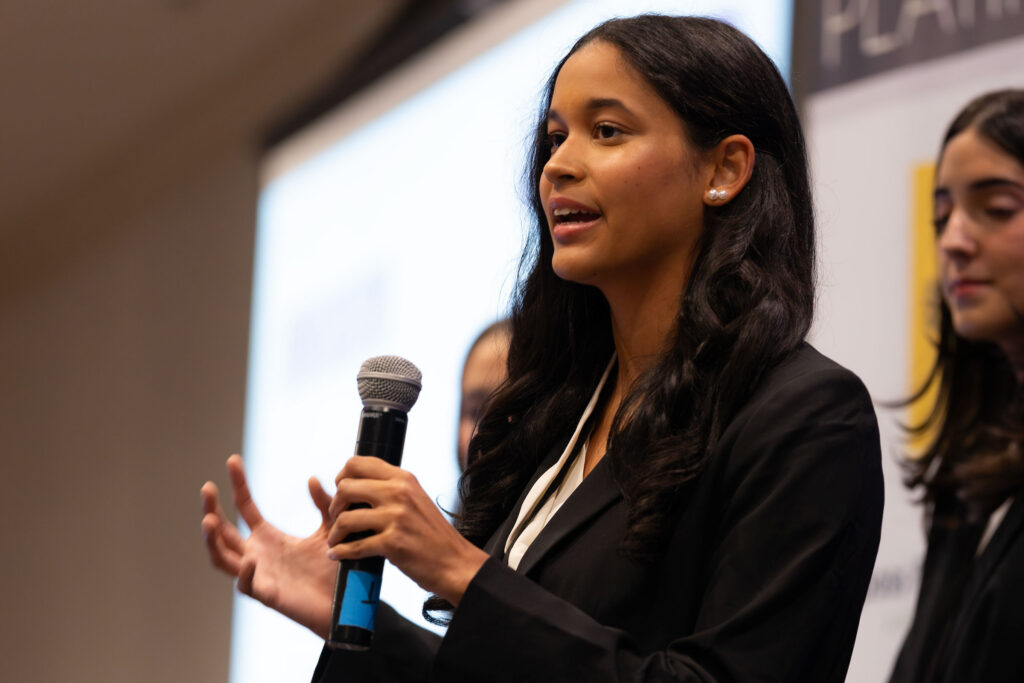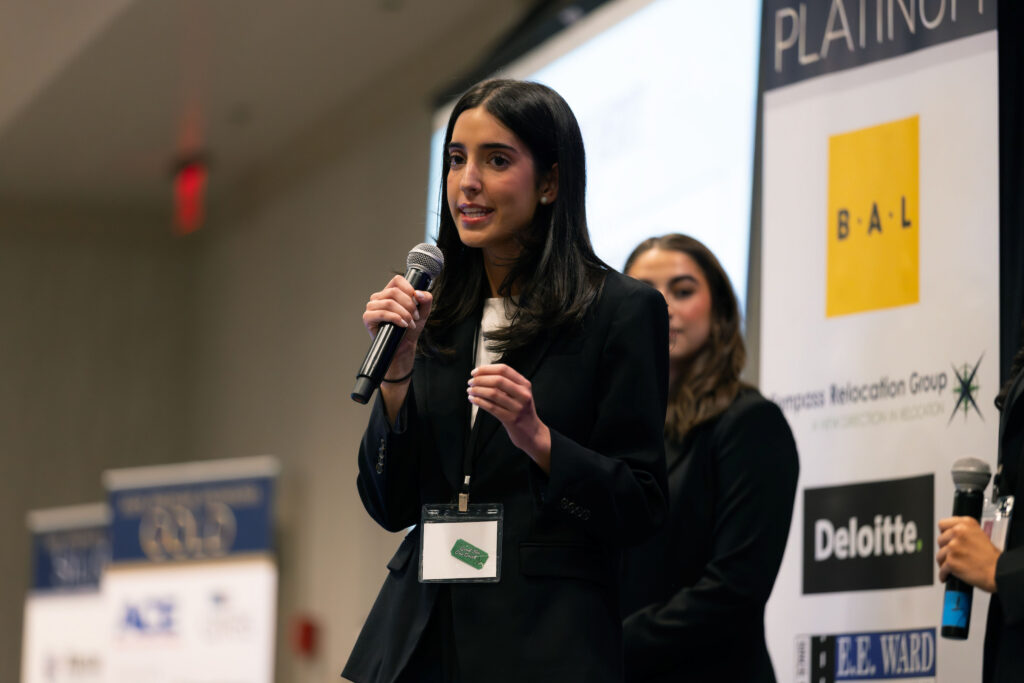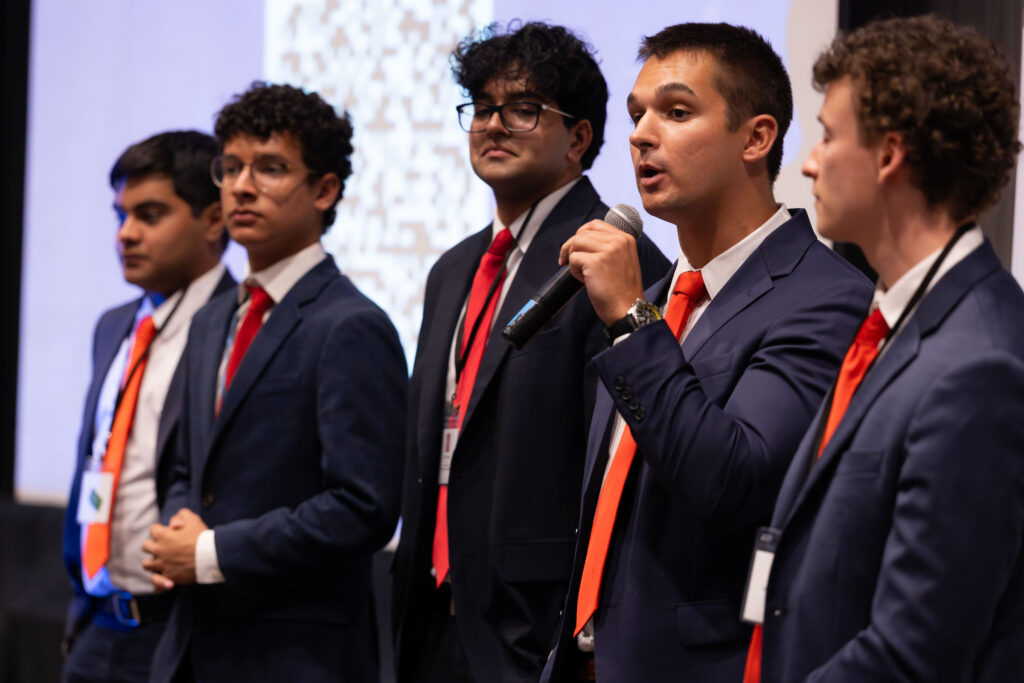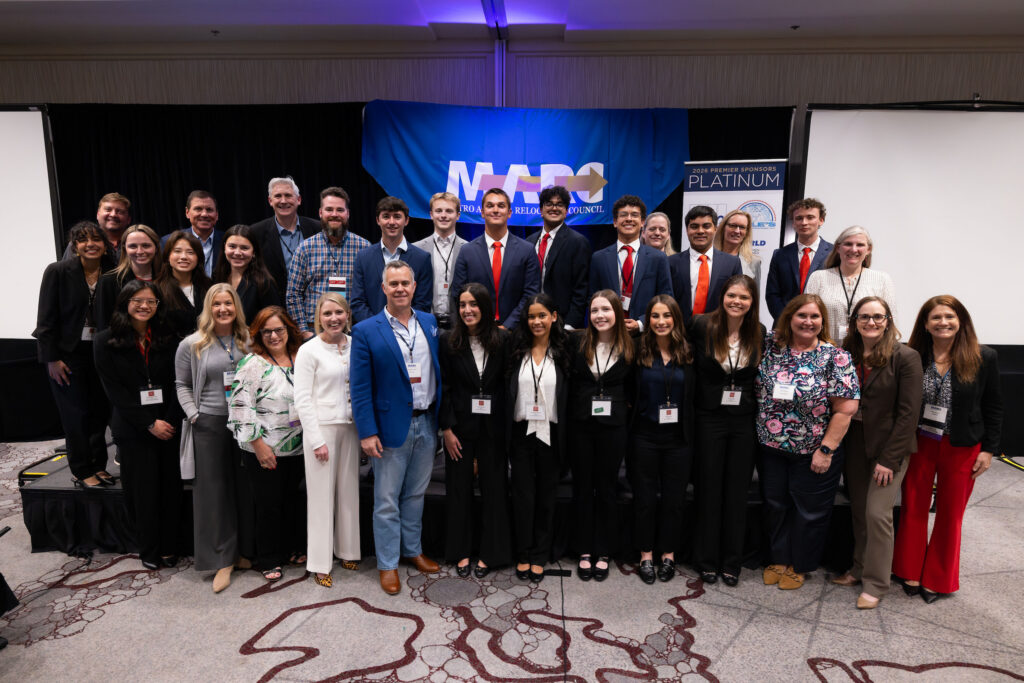
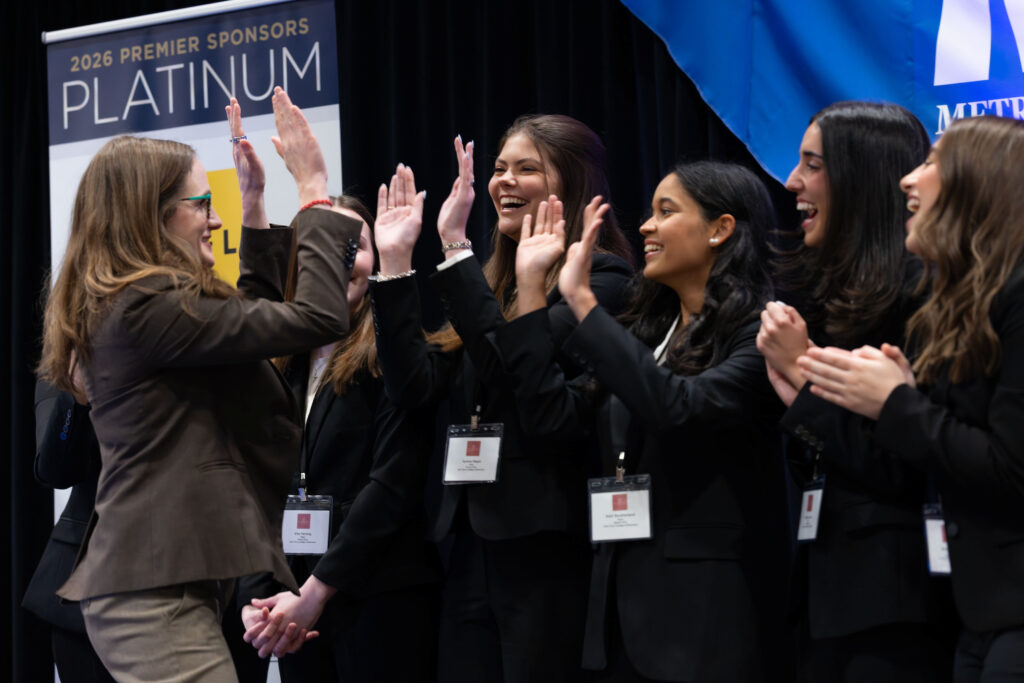
On March 19, students from the University of Georgia’s Terry College of Business gathered in Atlanta to compete in the final round of the 2026 Global Mobility Industry Solutions Competition. This prestigious event is the culmination of a two-part experiential learning model hosted by the Metro Atlanta Relocation Council (MARC) in collaboration with the UGA International Business Society.
The program bridges the gap between the classroom and the corporate world, connecting students with global mobility professionals through a series of panel discussions and a high-stakes industry solutions competition featuring direct mentorship and scholarships.
Organized by Tyler Parks (International Business Society president and a Terry finance major) and Bryce Tascher (International Business Society director of events and a Terry finance and management major), the competition spanned approximately two months. Nearly 15 teams from UGA entered the first round, each tasked with addressing the complex pressures currently reshaping how companies move talent across borders.
According to industry data, mobility teams in 2026 are facing unprecedented challenges:
- Escalating Compliance Risks: Regulatory complexity across tax, immigration, and labor rules has become the single largest pressure point for organizations.
- The “Remote-from-Abroad” Era: While common, these arrangements introduce hidden risks regarding tax residency, data security, and corporate liability.
- Evolving Employee Expectations: Modern mobility is shifting toward “employee-first” and “family-centric” models. Programs that prioritize personalization — such as spouse/partner support — see significantly higher success rates.
- Cost vs. Flexibility: Companies are moving away from traditional long-term expatriate assignments in favor of agile, cost-optimized models like virtual transfers and short-term rotations.
The competition required teams to design frameworks that balance profitability with human-centered support. The first-place team — comprised of students Audrey Bagot, Melis Denaux, Eleanor Fleming, Gabriella Lobo, and Karli Southerland — rose to the top with a solution specifically tailored to Delta Air Lines.
The team worked closely with their corporate mentor to ensure their proposal was both innovative and operationally viable. This year’s competition featured an impressive roster of participating mentors from leading global organizations, including: The Coca-Cola Company, Walmart, Deloitte, Warner Brothers Discovery, KPMG, and Gulfstream Aerospace.
Through this collaboration, Terry students proved that they are learning about international business and actively shaping the frameworks that will protect and enable the global workforce of the future.